§Insights
Field notes from the hoard
Practical, sourced guides on patent search, valuation, deals, drawings and the data behind innovation. Written by our analysts for inventors, founders and IP teams. General information, never legal advice.

Patent Monitoring Without Alert Fatigue: How to Design a Watch People Actually Read
Most patent watches fail from noise, not from missed documents. Here is how to choose signals, tier alerts, measure usefulness and pick the right tools.
Standard Essential Patents Explained: Declarations, FRAND, Pools and What Changed in 2026
A declared SEP is the owner's claim, not a verdict. Here is how declarations, FRAND and patent pools work, what changed in Wi-Fi and video codecs in 2026, and what SEP data can tell you.
Generative AI Patent Trends 2026: What the Filing Data Shows, and What It Doesn't
Published GenAI patent families doubled in a year. Here is what WIPO and IFI Claims data show, what they can't show, and five checks to run on any AI patent chart.
Design Patent Drawings for GUIs, AR and Holograms: What the USPTO's 2026 Guidance Changed
Since March 13, 2026, a GUI or icon design no longer has to be drawn on a screen. Here is what changed, what still applies, and how projections and AR/VR fit in.
Patent Drawings Cost: What Drives the Price and What the Market Charges
Published prices for patent drawings run from under $40 to about $200 per sheet. Here is what moves a quote, and the USPTO rules every sheet must meet.
USPTO Maintenance Fees: What They Cost and How to Decide Keep, Sell, License or Lapse
Each maintenance window costs about twice the last. Here are the current USPTO fees, what a patent costs to keep for its full life, and how to decide on evidence.
Invention Promotion Scams: Red Flags and How to Vet Any Patent Marketing Firm
Invention promotion scams follow a script. Here are the FTC's red flags, the disclosures federal law entitles you to, and a checklist for vetting any firm.
How to Sell a Patent: Channels, Buyers, Fees and a Realistic Timeline
Selling a patent is an evidence-led, months-long process. Here are the channels, what buyers check, how brokers are paid, and the red flags to avoid.
How Much Is My Patent Worth? A Plain-English Guide to Valuation
A patent is worth what someone will pay for the right it gives. Here is how the cost, market and income approaches estimate that number, with a worked hypothetical.
Patent Due Diligence Checklist for Investors: The Data to Pull
Nine data areas to collect before counsel weighs in: what the public record shows, which documents to request, and which questions only a patent attorney can answer.

SBIR Patent Search: How Patent Data Strengthens SBIR/STTR Proposals
Reviewers know the closest prior art. A focused patent search and a small landscape let your proposal name it first, then show where your approach and market position differ.
How to Do a Patent Search for Free: A Step-by-Step Guide
A practical method for searching patents with free tools: start with keywords, move to CPC classifications and citations, go international, search the literature, and log every query.

USPTO AI Search Tools Explained: What Examiners Use and What It Means for Applicants
Similarity Search is now mandatory in utility examination, DesignVision searches images across 80+ registers, and the ASAP! pilot sent applicants AI-found references before examination. Here is what each does and what it means for you.
AI Patent Search vs. Human Analysts: What Each Finds and What Each Misses
Semantic search finds close patent documents in seconds. It still misses journals, drawings, borrowed vocabulary, and the one element that matters. Here is how to use it well and how to check its work.
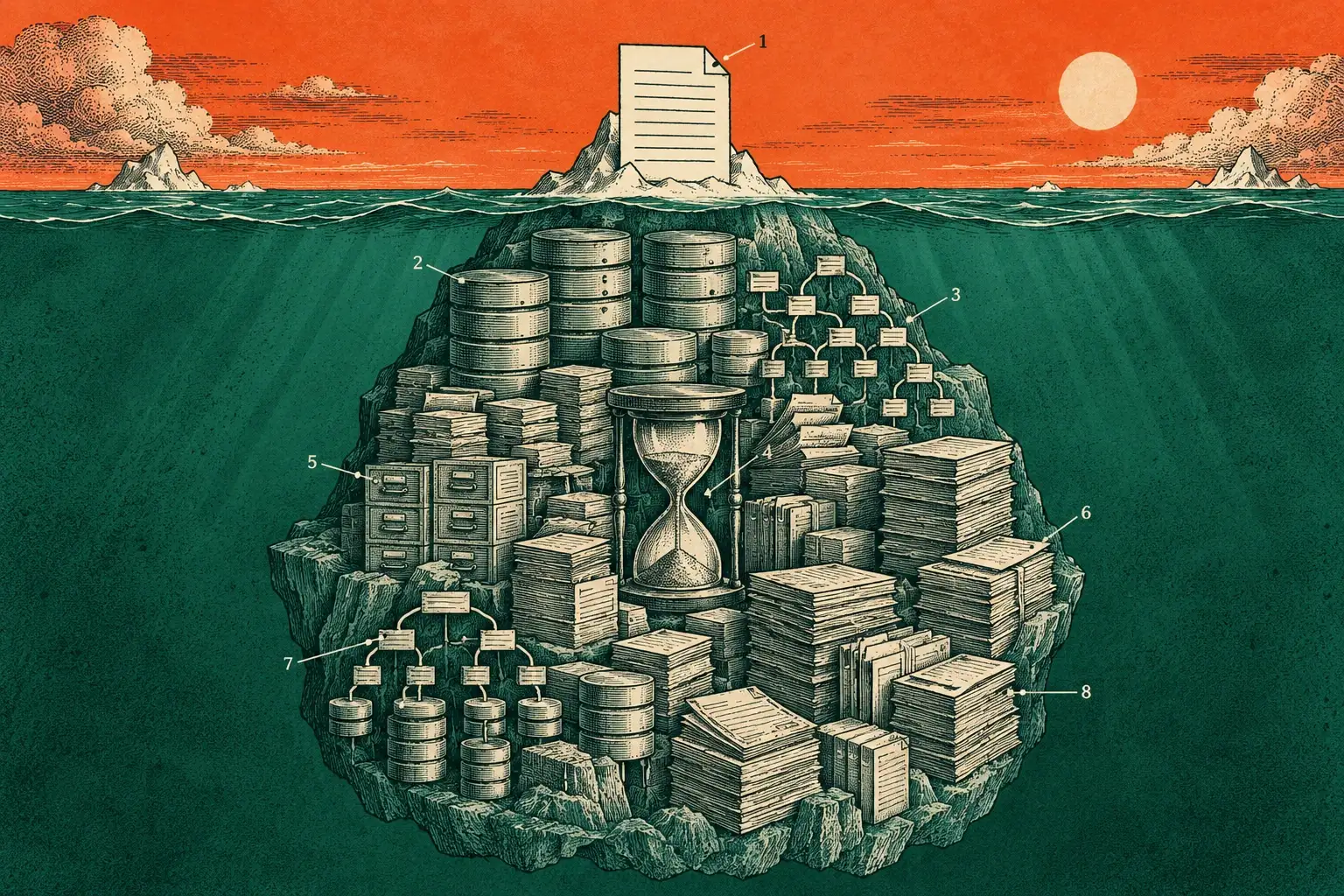
How Much Does a Prior Art Search Cost? What Drives the Price
Published prices for a prior art search run from about $150 to $10,000. Here is what moves a quote, how DIY, AI tools and analyst firms compare, and what to ask before you pay.
§Next step
Have a question an article did not answer?
Send it to us. If it is a research question, we will tell you what it would take to answer it properly, and quote it in writing. If it is a legal question, we will say so and suggest who to ask.