§Patent Brokerage
Sell your patent with evidence, not hope
Before your patent goes to market, we test whether a buyer would want it. If the evidence holds up, we build a sale-readiness package and run a confidential campaign. If it doesn’t, we tell you plainly, before you spend more.
- Typical turnaround
- Sale-readiness in 3–4 weeks; marketing campaigns typically run 3–9 months, with no assurance of a sale
- Best for
- Owners of issued patents, from independent inventors to companies leaving a product line
- How we’re paid
- A fixed-fee quote for sale-readiness; success-fee terms agreed in writing before any marketing starts
- Delivered to
- You and your own patent counsel
§ 01Deliverables
What you receive
Evidence-of-use research
Public product documentation, specifications, and teardown material arranged against the claim elements, as technical facts only. What that evidence means legally is a question for your counsel.
Commercial assessment
Market signals, remaining term, family coverage, and comparable transactions where they are public, ending in a realistic range. For a fuller model, see Commercial Patent Valuation.
Buyer universe
A ranked list of likely buyers: operating companies in the field, companies whose own filings cite your patent, and buyers who acquire patents for licensing or defense.
Offering materials
A non-confidential summary for first contact, the sale package for serious buyers, and an index for the data room.
Confidential marketing campaign
Discreet, documented outreach to the buyer universe. No public listings unless you ask for one. Every contact and every response is logged and reported to you.
Data room and transaction coordination
We organize the data room, schedule diligence calls, and keep documents and timelines on track with your counsel, who drafts and negotiates the agreement.
§ 02Overview
When owners use it
An inventor with an issued patent
You have no plans to manufacture and want to know whether a buyer exists. We start with an honest screen. See how we work with independent inventors.
A company leaving a product line
The products are winding down, but the patents still read on technology others sell. A sale can recover some of the R&D spend.
A portfolio facing its next fee window
Patents you no longer need may matter to someone else. Pruning analytics finds the sell-before-lapse candidates.
16A sale or a license?
Some owners would rather keep the patent and license it. Licensee Identification runs the same research toward a license.
§ 03Process
How it works
- 01
Scoping call and screen
A free 20–30-minute call. Individual inventors receive our written disclosures before any engagement. If the commercial evidence already looks thin, we say so on the call.
- 02
Sale-readiness package
After an NDA and a fixed-fee written quote, we build the evidence, assessment, and buyer universe in 3–4 weeks. It ends with a written go or no-go.
- 03
Terms, then campaign
If the answer is go, success-fee terms are agreed in writing before any marketing starts. Campaigns typically run 3–9 months.
- 04
Diligence
Interested buyers get the data room. We coordinate their questions, calls, and document requests, and keep you informed at each step.
- 05
Close with your counsel
Your counsel drafts and negotiates the agreement. We keep the timeline, documents, and buyer communications organized until signing.
§ 04Insight
Most patents never sell. It pays to know early.
If you have ever typed “sell my patent” into a search bar, start with an uncomfortable fact: most patents never sell. Buyers are few, they see many offers, and they pay for evidence that products in the market use the technology. A clever invention without that evidence is a hard sale, however good the idea.
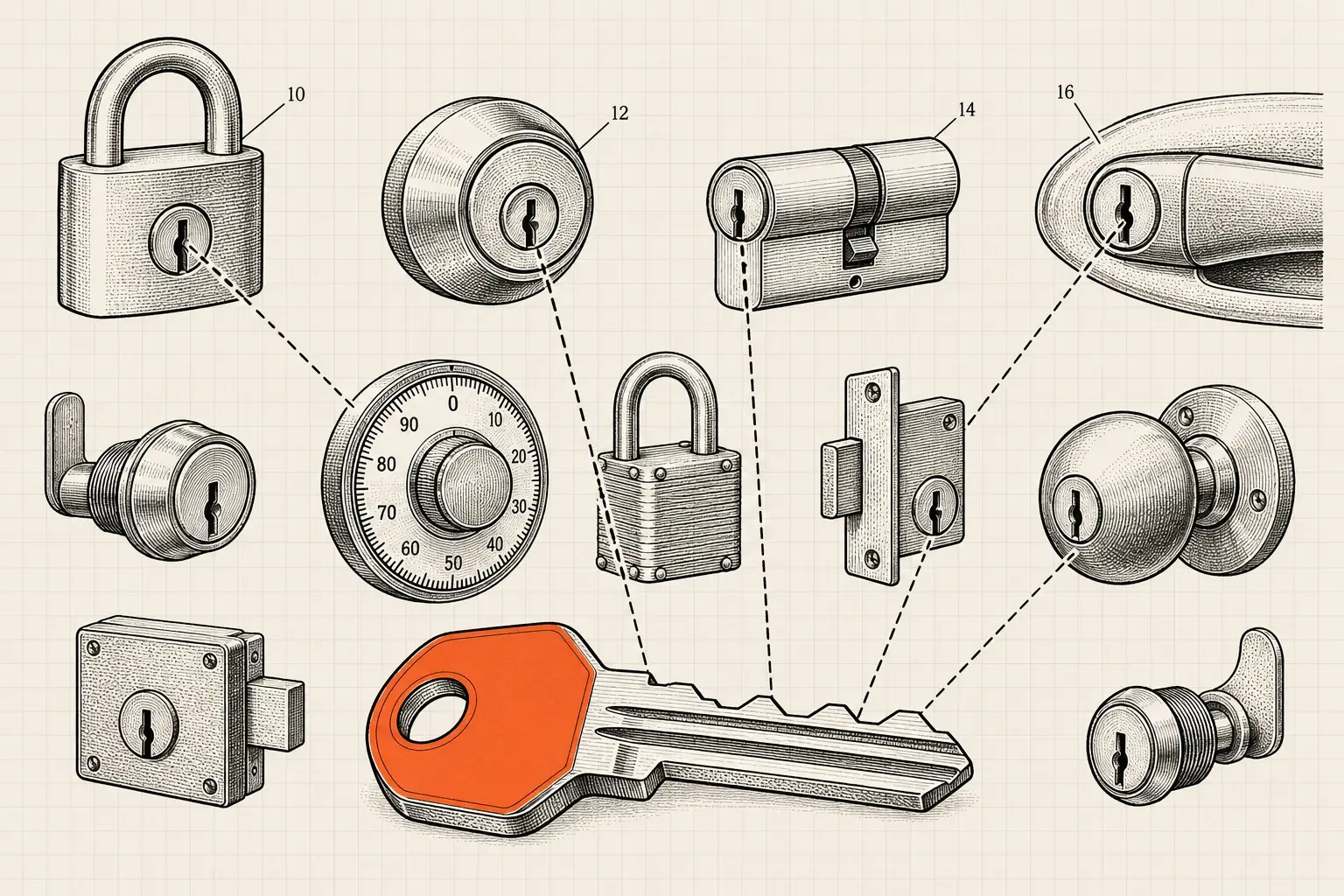
So we screen before we market. Think of your patent as a key: our job is to find the locks it fits, and to admit it when we can’t find any. If the scoping call or the sale-readiness work shows thin evidence, we tell you plainly and recommend against a campaign. An early no costs far less than nine months of hope.
The same honesty shapes our paperwork. 35 U.S.C. § 297 requires invention promoters to give individual inventors written disclosures before signing a contract, and exempts firms that evaluate, license, or sell utility patents and filed nonprovisional utility applications. We give individual inventors written disclosures before any engagement anyway. The FTC warns inventors about marketers who promise profits or hand out mass-produced positive reports designed to sell more services. You will get neither from us.
An early no costs far less than nine months of hope.
§ 05 — Boundaries
What this is not
- We don’t draft, review, or negotiate the sale agreement. Your counsel does.
- No opinion on validity, or on whether any product falls within your claims.
- No promise of a sale, a price, or a closing date.
- We don’t run campaigns we expect to fail. If the evidence is thin, we decline.
- Not for ideas or unfiled inventions. Those start with a Prior-Art Snapshot.
If you don’t have a patent attorney or agent, we can share a list of independent practitioners to contact. We receive no referral fees.
§ 06Questions
Questions about selling a patent
Something else on your mind? Call (505) 357-5188 or write to info@metadragons.com.
How much can I sell my patent for?
It depends on remaining term, evidence of use, the size of the market, and how many buyers care. The sale-readiness package ends with a realistic range and the reasoning behind it. Nobody can honestly promise you a price before a buyer makes an offer.
How do you get paid?
Sale-readiness work is a fixed fee, quoted in writing within one business day of the scoping call. If we take your patent to market, the success-fee terms are written down and agreed before any marketing starts. Nothing is billed beyond a quote without your written approval.
Will you tell me if my patent won’t sell?
Yes, plainly and in writing. If the evidence is thin, we say so on the scoping call or at the end of sale-readiness, and we recommend against spending money on a campaign.
Do I need my own lawyer?
Yes. A patent sale needs an agreement, and we don’t draft or negotiate agreements. We coordinate with your independent registered patent practitioner or transaction counsel throughout.
Will my patent be listed publicly?
Not unless you ask. Outreach is direct and documented. We sign an NDA before any confidential disclosure, and client files stay in US-based systems, encrypted in transit and at rest.
What disclosures do inventors receive?
Every individual inventor gets our written disclosures before any engagement: what we do and don’t do, how we are paid, and what realistic outcomes look like. See our scope and disclosures.
Keep reading
Where to go next
§Next step
Find out whether a buyer exists
Start with a free 20–30-minute scoping call. If the evidence is thin, you’ll hear it from us first. If it isn’t, you’ll get a fixed-fee written quote within one business day.