§Free tool
Patent maintenance fee calculator
Enter a grant date and entity size to see when each USPTO maintenance-fee window opens, when the fee is due, when the grace period ends, and what each payment costs.
§ 01Context
Three payments, counted before they surprise you
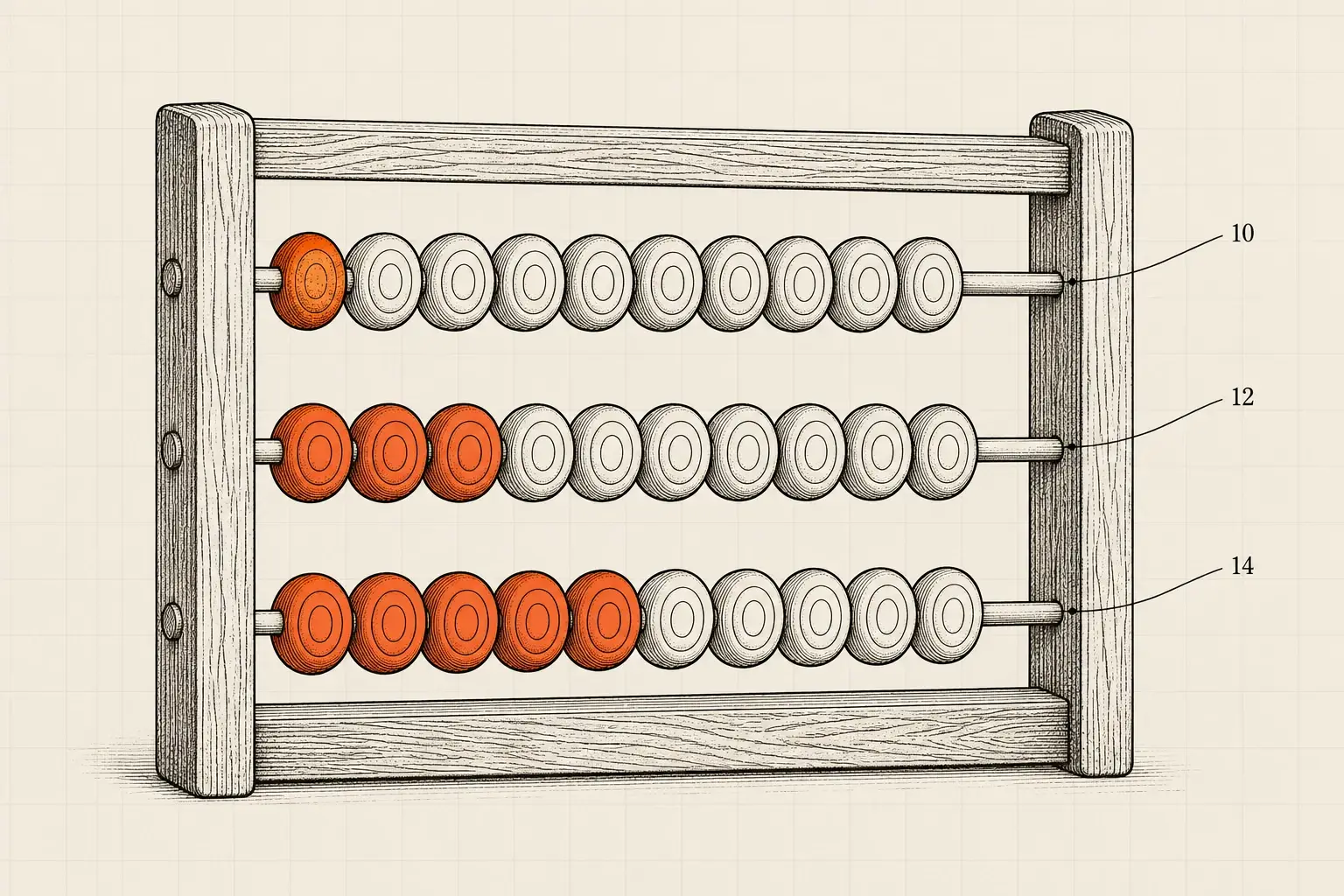
This patent maintenance fee calculator turns a grant date into a schedule. A US utility patent needs three maintenance payments to stay in force for its full term. Each payment has a window, a due date, and a grace period, and all of them are counted from the date of grant. Miss the end of a grace period and the patent expires.
Design and plant patents have no maintenance fees (37 CFR 1.362), so the calculator applies to utility patents only. For a reissued patent, the windows count from the grant date of the original patent.
The calculator is an administrative estimate, not legal advice. Fees and rules change, so always confirm on USPTO.gov before you pay. Fee schedule last verified: November 1, 2026.
§ 02Calculator
Your windows and fees
Enter the date of grant from the front page of the patent, and choose the entity status the owner will qualify for on the day of payment.
| Payment | Window opens | Due without surcharge by | Grace period ends | Fee | Status |
|---|---|---|---|---|---|
| 3.5-year | — | — | — | $2,150 | — |
| 7.5-year | — | — | — | $4,040 | — |
| 11.5-year | — | — | — | $8,280 | — |
Paying in the six-month grace period adds a surcharge of $540 per payment. If the fee and surcharge are not paid by the end of the grace period, the patent expires. Dates falling on a weekend or federal holiday move to the next business day. This tool is an administrative estimate, not legal advice; confirm amounts and dates on the USPTO fee schedule. Fee schedule last verified: November 1, 2026.
- Window opens
- 3, 7, and 11 years after grant. You can pay without surcharge from these dates, but not before.
- Due without surcharge by
- 3.5, 7.5, and 11.5 years after grant
- Grace period
- 6 months after each due date, with a surcharge. It ends on the 4th, 8th, and 12th anniversary of grant.
- If unpaid
- The patent expires at the end of the grace period
- Not covered
- Design and plant patents, which have no maintenance fees
§ 03Compare
USPTO maintenance fees by entity status
Fees in US dollars under the USPTO fee schedule effective January 19, 2025. The surcharge applies to each payment made during its grace period.
| Item | Large entity | Small entity | Micro entity |
|---|---|---|---|
| Due at 3.5 years | $2,150 | $860 | $430 |
| Due at 7.5 years | $4,040 | $1,616 | $808 |
| Due at 11.5 years | $8,280 | $3,312 | $1,656 |
| All three, paid on time | $14,470 | $5,788 | $2,894 |
| Grace-period surcharge, per payment | $540 | $216 | $108 |
Source: USPTO fee schedule. Fee schedule last verified: November 1, 2026. Fees change, so confirm the current amounts on USPTO.gov before paying.
§ 04Context
Reading the windows: a worked example
Take a patent granted on Tuesday, February 11, 2025.
- First payment: the window opens February 11, 2028. The fee is due without surcharge by August 11, 2028. With the surcharge, it can be paid through February 11, 2029.
- Second payment: opens February 11, 2032, due by August 11, 2032, grace period through February 11, 2033.
- Third payment: opens February 11, 2036, due by August 11, 2036, grace period through February 11, 2037.
Three details trip people up. First, you can’t pay early. The USPTO doesn’t accept a maintenance fee before its window opens, so there is no locking in today’s amount (MPEP 2506).
Second, weekends matter. When the last day of a window or grace period falls on a Saturday, Sunday, or federal holiday in the District of Columbia, the USPTO accepts payment on the next business day. Here is a quirk worth knowing: US patents issue on Tuesdays, and 4 years is 1,461 days, or 208 weeks and 5 days. So for any patent granted in recent decades, the first grace period ends on a Sunday. In the example above, a payment with surcharge made on Monday, February 12, 2029 would still be accepted. Nobody should plan to need that day.
Third, reminders aren’t guaranteed. The USPTO may mail a reminder notice, but it says that not receiving one doesn’t shift the responsibility for tracking deadlines from the owner (USPTO: Maintain your patent).
§ 05Context
Small and micro entity status: confirm before you pay
Small entities pay 40% of the large-entity amount, a 60% discount, and micro entities pay 20%, an 80% discount, on most patent fees (USPTO). The savings are real, but the status has eligibility rules, and they apply on the day you pay, not just at filing.
- Small entity: individuals, businesses with no more than 500 employees including affiliates, and nonprofits such as universities. Rights in the patent must not have been assigned, licensed, or promised to a party that doesn’t qualify.
- Micro entity: a small entity that also meets a gross income limit, which the USPTO updates each year, and a cap on previously filed applications. Alternatively, it may qualify through a US institution of higher education (USPTO).
Status can change during a patent’s life. The owner grows past 500 employees, licenses the patent to a large company, or sells it. USPTO rules require notice of a loss of small entity status before or when paying the next issue fee or maintenance fee (37 CFR 1.27). Paying at the wrong rate can create problems that cost more to fix than the discount saved. Confirm the owner’s status with your registered patent practitioner before each payment.
An administrative estimate, not legal advice
The calculator applies the published windows and fees to the date you enter. It doesn’t know whether the patent is still in force, and it doesn’t account for terminal disclaimers, term adjustments, petitions, or changes in entity status. Fees and rules change, so always confirm on USPTO.gov and with your practitioner before paying. Fee schedule last verified: November 1, 2026.
§ 06Context
When the fee is a decision, not a formality
For one patent, the calculator answers when and how much. For a portfolio, the harder question is whether to pay at all. At 11.5 years, a large entity pays $8,280 to keep a patent alive for the rest of its term. That is easy to justify for a patent on today’s product. It is hard to justify for one on a product retired years ago. And sometimes the money is better spent selling the patent to someone who still needs it.
Our Portfolio Pruning Analytics ranks each family as a keep, sell, license, or lapse candidate before its window opens. Hoard Ledger tracks every window across a portfolio in one place. When selling beats lapsing, Sell Your Patent prepares the patent and runs the marketing. For how this plays out across a whole portfolio, see our device-maker pruning profile, an illustrative composite.
§ 07Questions
Maintenance fee questions
Something else on your mind? Call (505) 357-5188 or write to info@metadragons.com.
Do design patents have maintenance fees?
No. Maintenance fees aren’t required for design or plant patents. A US design patent lasts 15 years from grant (14 years for older applications) with no further fees (35 U.S.C. § 173).
What happens if the grace period passes without payment?
The patent expires at the end of the grace period. In some cases the USPTO can accept a delayed payment by petition if the delay was unintentional, with a petition fee on top of the maintenance fee. A petition is a filing your registered practitioner should handle.
Will the USPTO remind me?
It may mail a reminder to the fee or correspondence address on record, but the USPTO says that not receiving notices doesn’t shift the responsibility for tracking deadlines from the patent owner.
How are maintenance fees paid?
The USPTO’s preferred method is online through its Patent Maintenance Fees Storefront, which needs a USPTO.gov account. It also lists wire, fax, and mail options (USPTO).
Which entity status should I pick in the calculator?
The status the owner will qualify for on the payment date, not the status at filing. If ownership, headcount, or licensing has changed, confirm with your practitioner first.
Can you track these windows for us?
Yes. We track windows and public status for clients in Hoard Ledger and coordinate with your registered practitioner. The decision to pay or lapse is always yours. Our Portfolio Administration page explains what that support covers.
Keep reading
Related pages
§Next step
More than a few windows to watch?
Tell us how many patents you hold and when the next windows fall. We’ll send a fixed-fee quote for a pruning review or Ledger setup within one business day of a free scoping call.