§Licensing & Commercialization
Patent licensing that starts with evidence
Patent licensing works when the right two parties meet with the facts on the table. We find licensees for patents you own and licensable technology for problems you have, then make documented introductions.
§ 01Context
Two directions, one method
Most patent licensing companies work in one direction: they take a patent to market and look for someone to pay. That is half the work. The other half runs the opposite way, from a company with a hard technical problem to an invention that already solves it.
We work in both directions, with the same research underneath. Licensee Identification starts from a patent and finds the companies whose products, filings, and citations suggest they would value a license. Technology Scouting starts from a problem and finds the patents, startups, and university and lab inventions that address it.
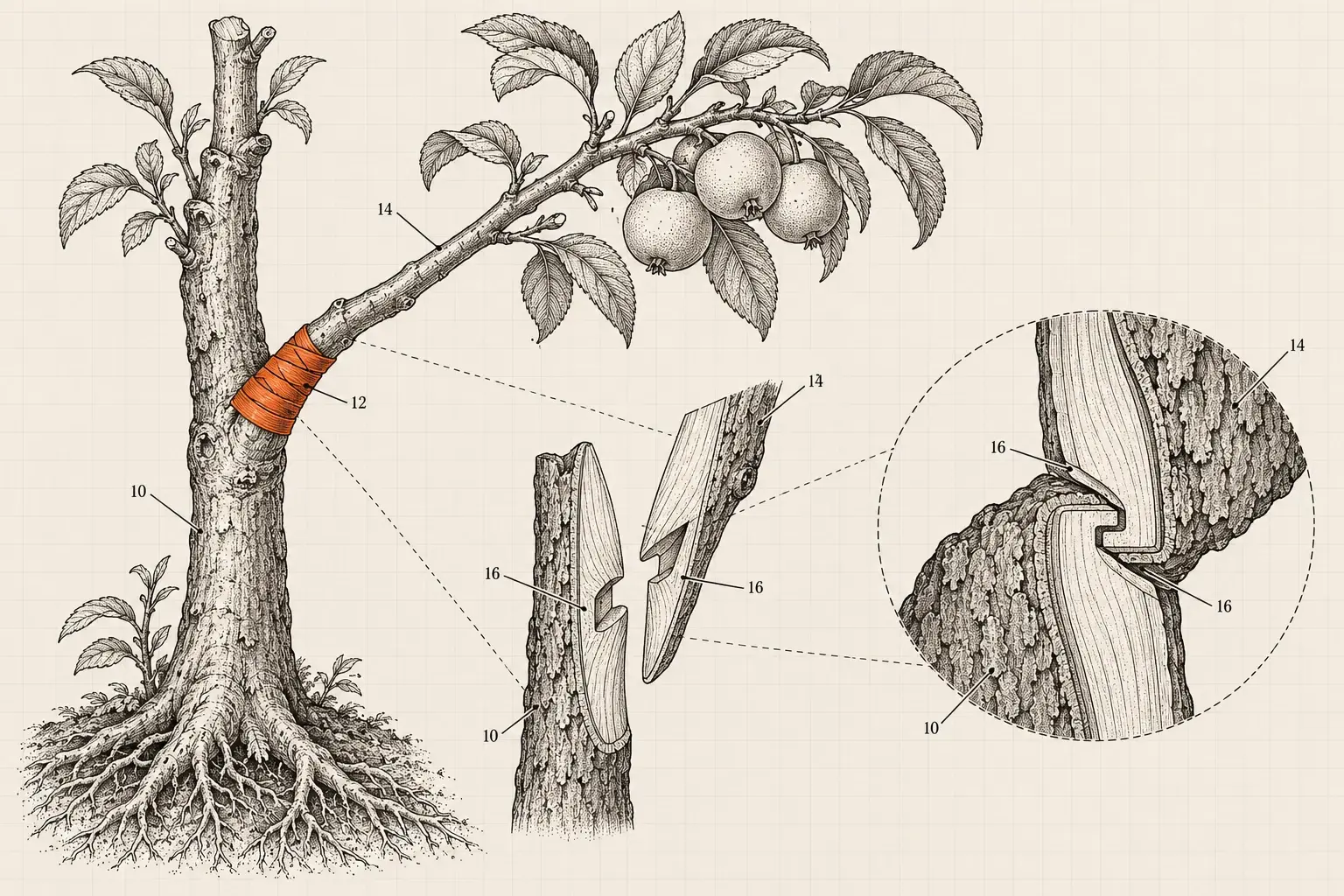
Licensing works like grafting. One party’s invention takes root in another party’s products, and both bear fruit only if the two sides fit. That is why every introduction we make rests on technical evidence rather than a hopeful letter.
In both directions we stop at the introduction and the first meetings. We don’t negotiate terms or draft agreements; your counsel does. That boundary keeps our work factual and keeps you in control of the deal. If you would rather sell outright, the same research carries into patent brokerage.
§ 02Overview
Two services, both ending in an introduction
Licensee Identification
Product-to-patent research, ranked target lists, outreach materials, documented warm introductions, and meeting coordination.
3–5 weeks12Technology Scouting
Licensable technologies, startups, and university and national-lab inventions that solve a technical problem you state in writing.
3–6 weeksOne introduction to the person who owns the problem is worth more than 100 letters to people who don’t.
Every introduction we make is researched, approved by you, and documented.
§ 03Compare
Which direction are you starting from?
| Item | Licensee Identification | Technology Scouting |
|---|---|---|
| You start with | A patent or published application you own | A technical problem you need solved |
| We find | Companies likely to value a license | Technologies, startups, and inventions that solve it |
| You receive | Ranked targets, outreach materials, documented introductions | Problem brief, screened shortlist, comparison matrix, introductions |
| Typical client | Universities, labs, startups, patent owners | R&D, product, and corporate development teams |
| Typical turnaround | 3–5 weeks | 3–6 weeks |
§ 04Questions
Questions about licensing support
Something else on your mind? Call (505) 357-5188 or write to info@metadragons.com.
Do you negotiate licenses for us?
No. We research, prepare materials, make introductions, and coordinate first meetings. License terms and agreements are for you and your counsel. If you don’t have counsel, we can share a list of independent practitioners to contact. We receive no referral fees.
Do you work with universities and national labs?
Yes, as a research and outreach desk for tech-transfer offices, and as scouts who find lab inventions through public channels. We claim no partnership with any institution.
Can we pursue a license and a sale at the same time?
Often, yes. The evidence overlaps, and early conversations frequently show which path the market prefers. We will tell you plainly if the interest is not there.
How is licensing work priced?
Every engagement gets a fixed-fee written quote within one business day of a free 20–30-minute scoping call. Nothing is billed beyond the quote without your written approval.
Keep reading
Where to go next
§Next step
Tell us which direction you are starting from
A patent looking for a licensee, or a problem looking for a solution. After a free 20–30-minute scoping call, you’ll have a fixed-fee written quote within one business day.