§Engagement Profiles
Patent search case studies, told as honest composites
Four illustrative profiles drawn from typical engagement patterns: what the client faced, what we did, and what they decided next. Details are changed, and no real client, person, or institution is depicted.
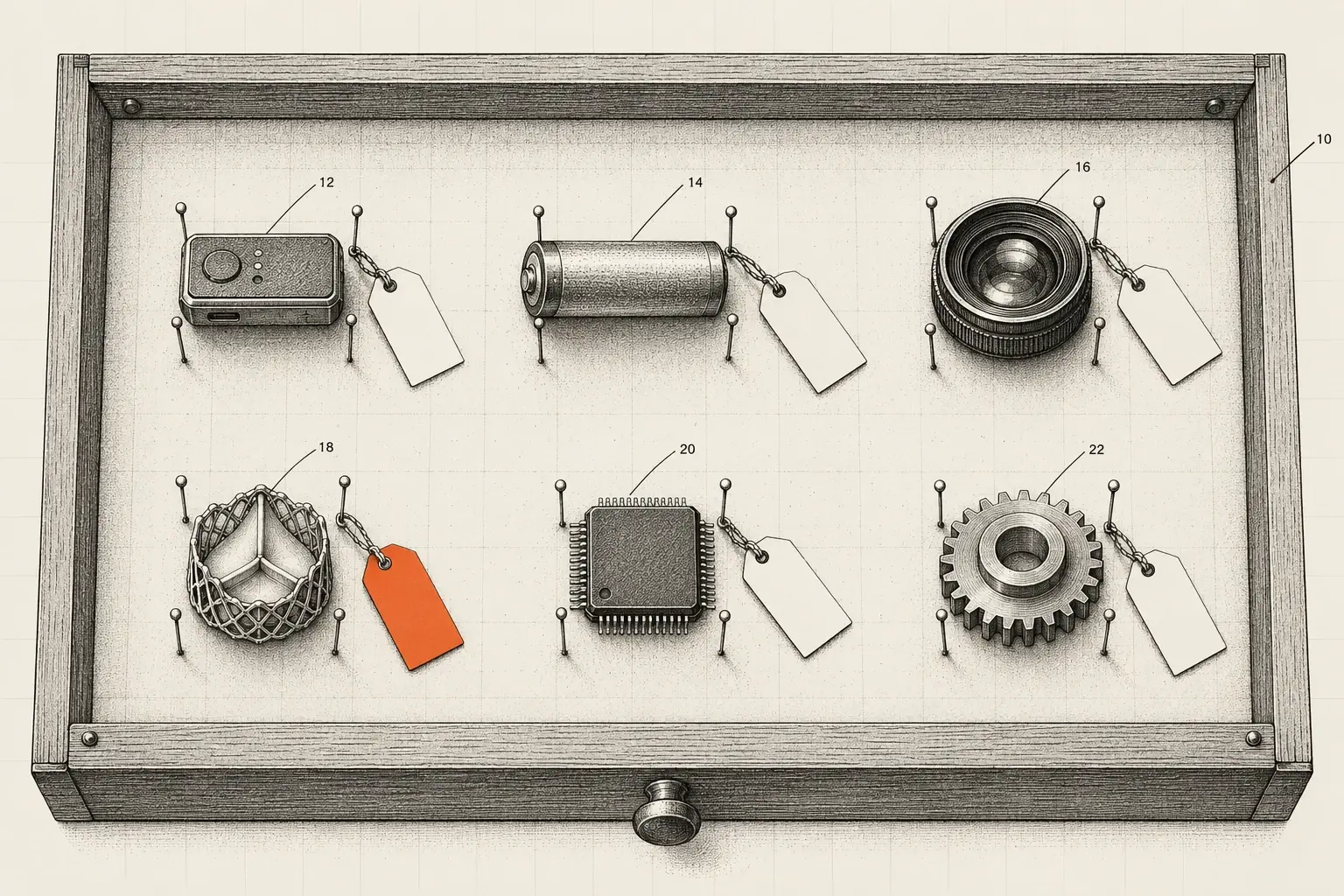
§ 01Read this first
These are composites, and every page says so
These patent search case studies are illustrative composites. Each one is built from patterns we see again and again: the inventor with a crowded idea, the startup writing a Phase II proposal, the tech-transfer office with dormant families, the device maker facing a heavy renewal year. We then change the details: the technology specifics, the organization’s size and location, the numbers, and the order of events. No real client, person, or institution is depicted, and no profile describes a single engagement.
We do it this way for two reasons.
Confidentiality comes first. Most of our work happens under an NDA, and much of it happens before anything is public: before a filing, before a sale, before a licensing approach. Even a vague description of a real engagement could tell a competitor who is selling, who is buying, or what a lab is about to file. Our confidentiality commitments don’t expire when a project closes.
Honesty about how we present results. A real case study invites you to read one good outcome as a promise. We would rather show you how decisions get made, with the references, the fee windows, and the trade-offs on the table, and let you judge the method. That is why you won’t find testimonials, star ratings, success rates, or deal totals on this site, and why every figure on a profile is labeled as a composite. What we do promise is written down on our scope and disclosures page, and the way we search is set out on our method page.
Real patterns, pinned for study, with the identities removed.
§ 02Four profiles
Pick the situation closest to yours
Each profile follows the same order: the situation, what we did, illustrative figures, and what changed afterward.
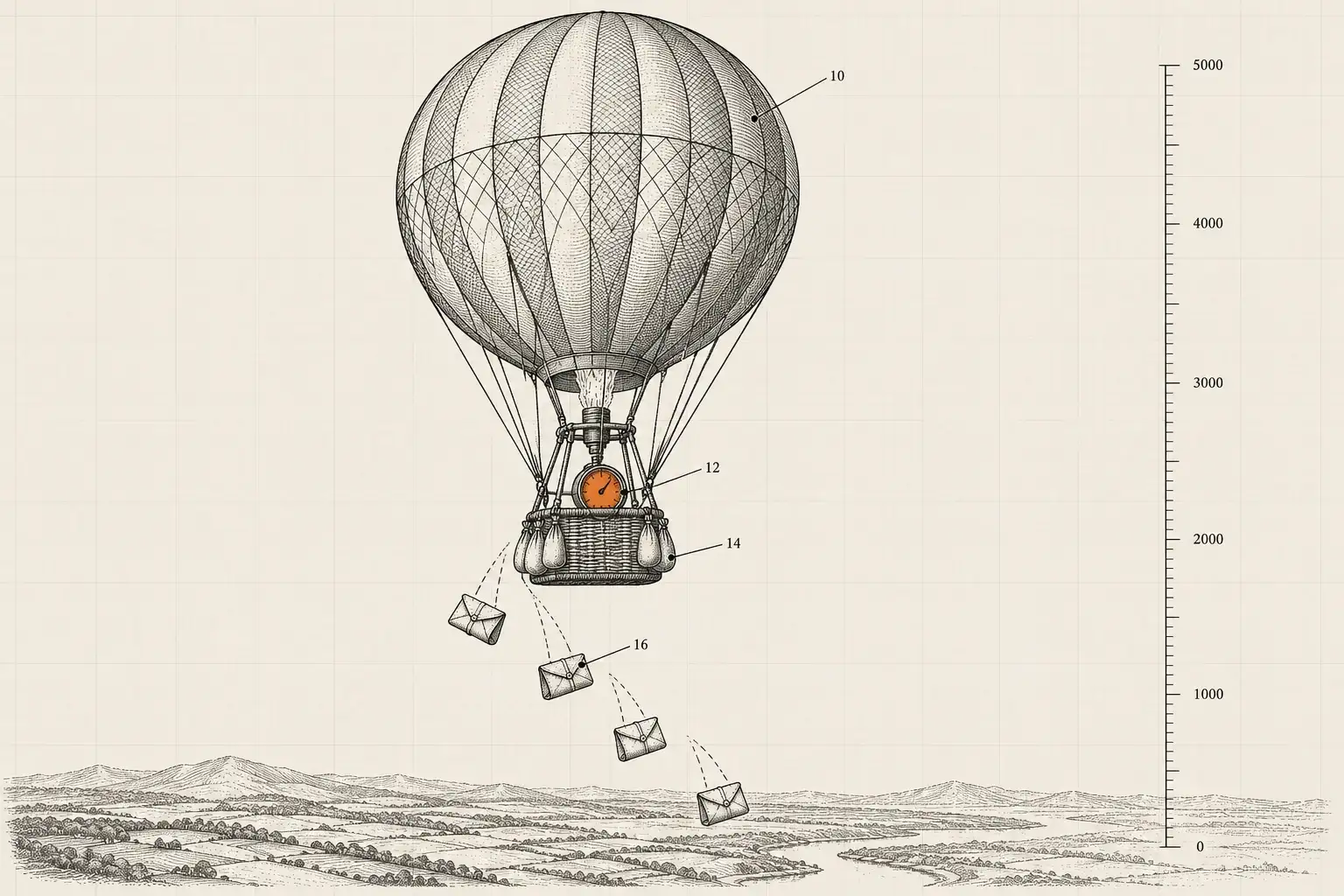
Patent portfolio pruning before the next fee window
An illustrative composite: a mid-size medical-device maker facing a heavy renewal year. We ranked every family as a keep, sell, license, or lapse candidate, and several families sold before they would have lapsed.
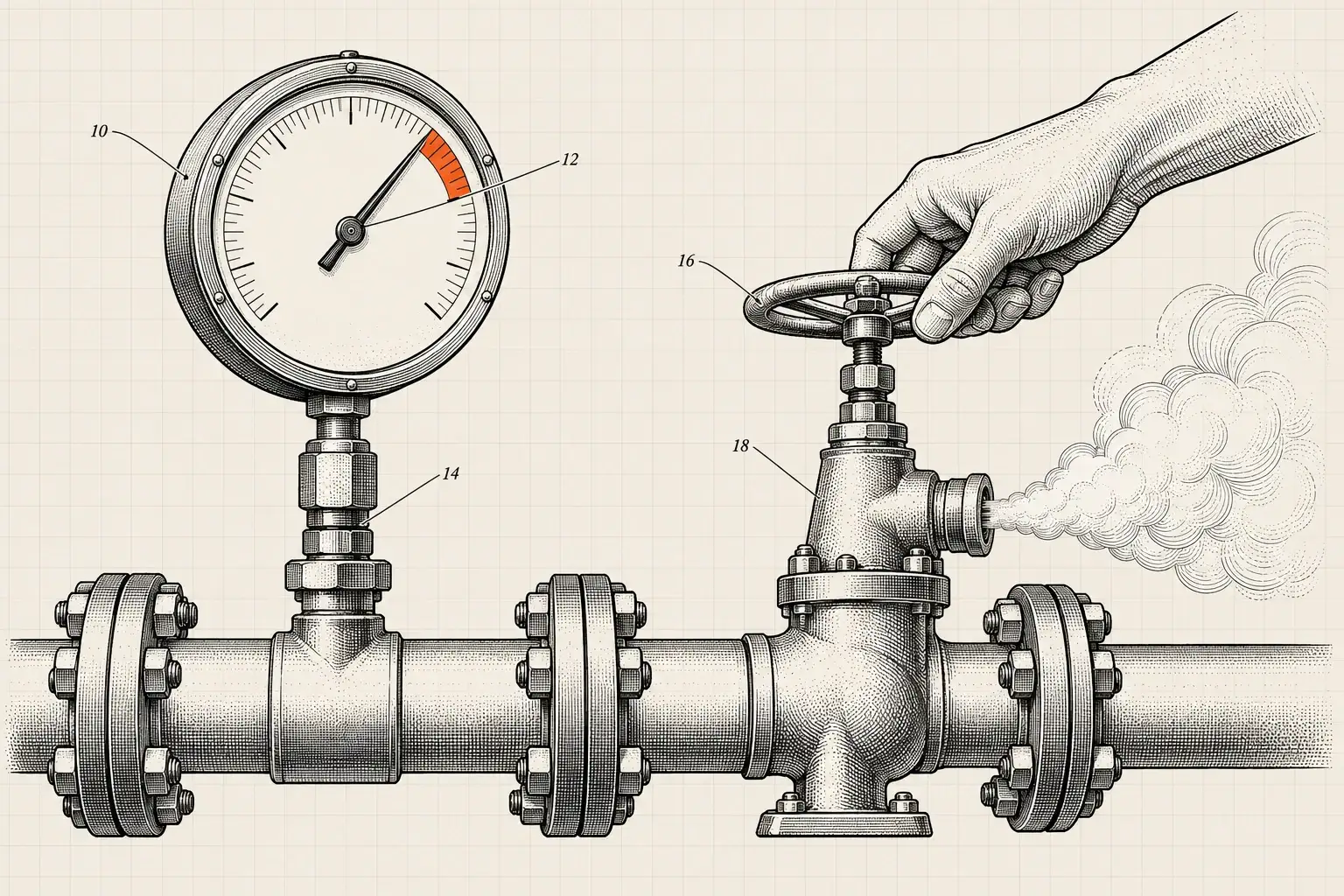
A prior art search for an inventor, and an honest early no
An illustrative composite: an independent inventor in the Southwest with a clip-on kitchen tool. A 3-business-day Prior-Art Snapshot found close references, we said so plainly, and the inventor changed course.
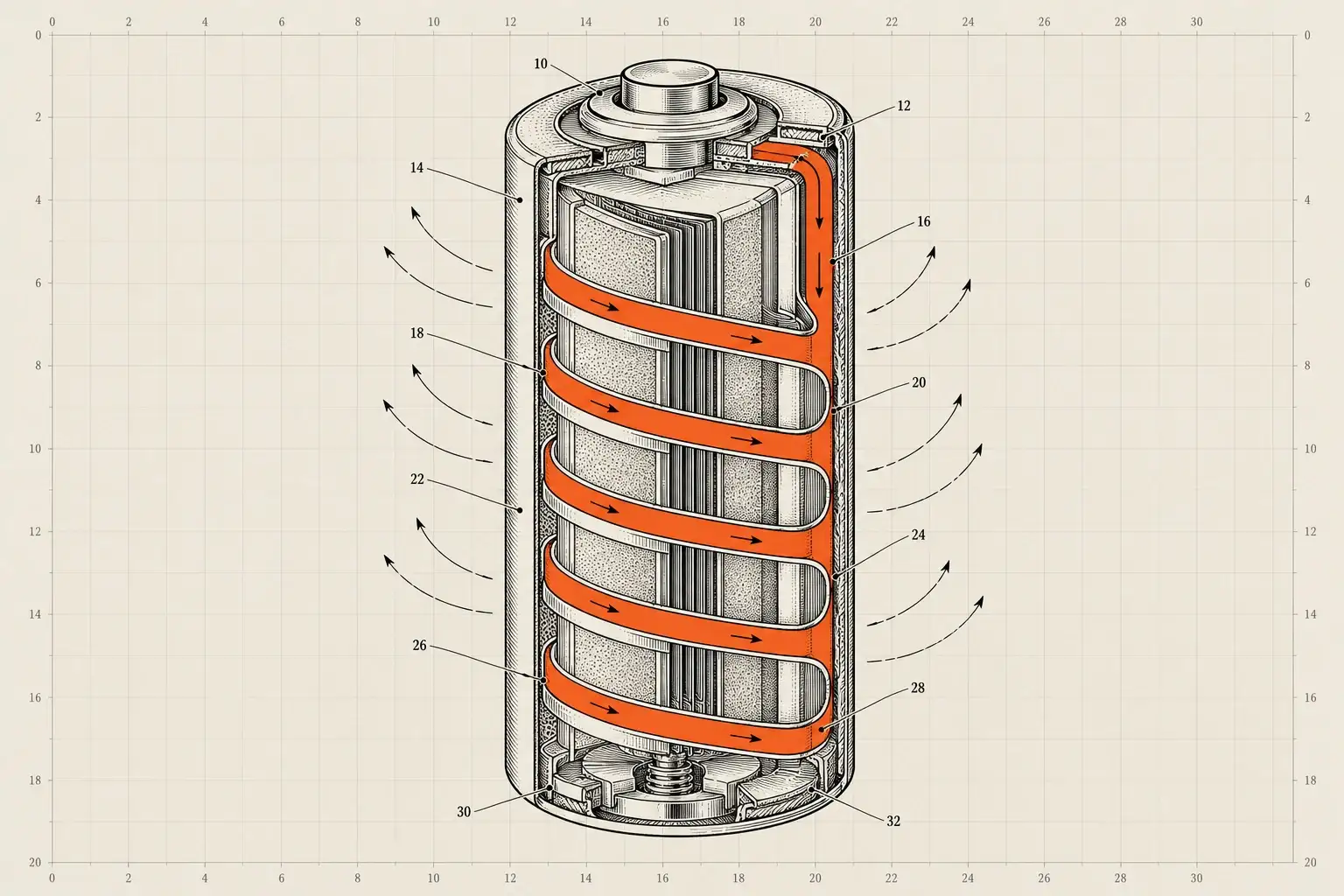
An SBIR patent landscape for a Phase II commercialization plan
An illustrative composite: a battery thermal-management startup preparing an SBIR Phase II proposal. We mapped the field, framed whitespace hypotheses, and built 3D visuals that reviewers could read at a glance.
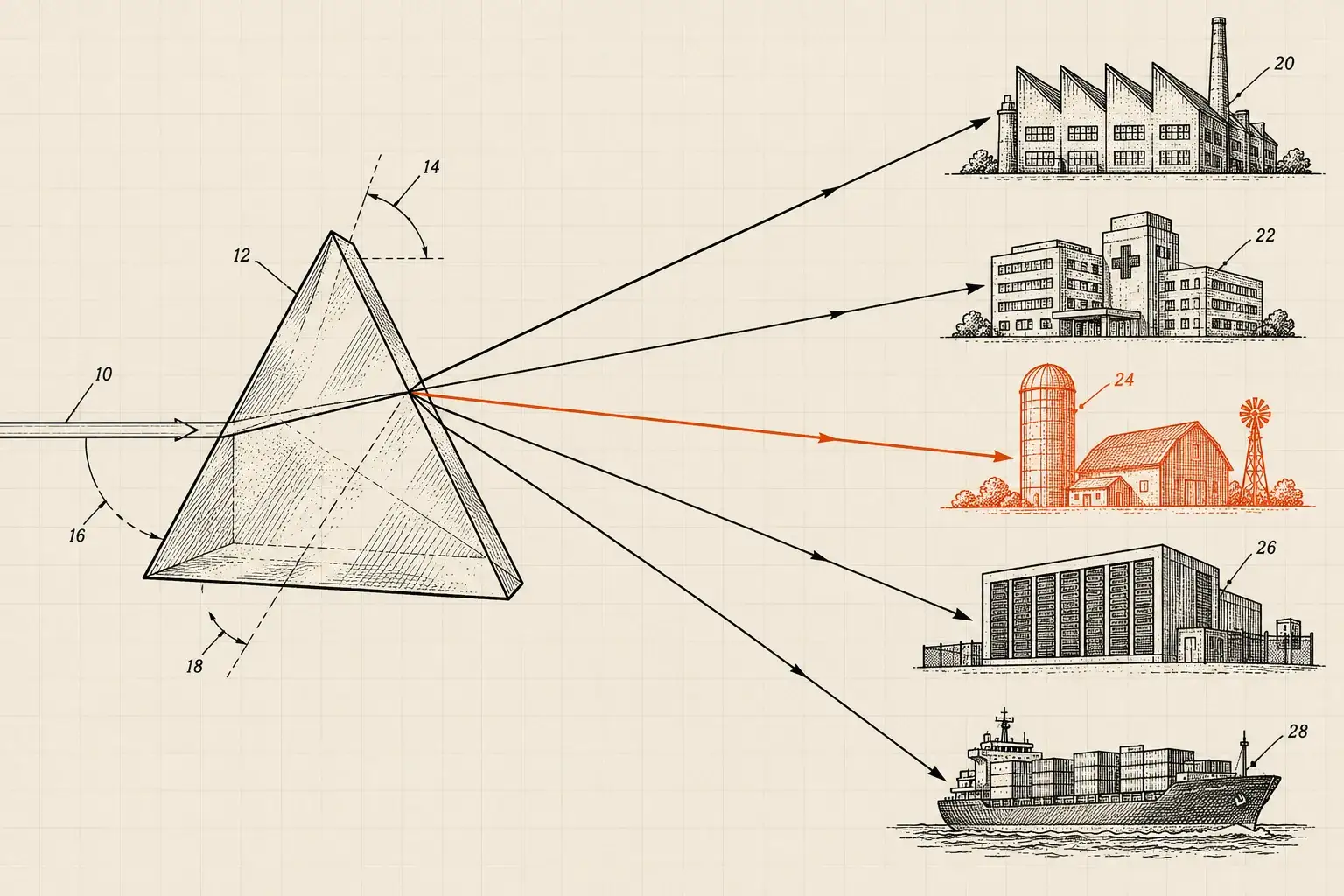
University patent licensing for a dormant photonics portfolio
An illustrative composite: a technology-transfer office with photonics families nobody had marketed in years. We sorted what to keep, found licensees in five industries, and made documented introductions. University counsel handled every agreement.
A useful profile shows the decision, not just the happy ending.
Two of these four stories end with the client spending less, not more. That is often the most valuable result we deliver.
§ 03Compare
What is real and what is changed
Every profile keeps the shape of real work and changes everything that could identify anyone. Here is where we draw that line.
| Item | Kept from real engagement patterns | Changed or invented |
|---|---|---|
| Technology | The kind of technology and the search problem it creates | Product specifics, materials, dimensions, and anything that could point to a real invention |
| Client | The type of organization and the constraints it works under | Name, location, size, staffing, and history |
| Our work | The services used, the order we ran them in, and the deliverables | Exact dates and durations, which stay within our published turnarounds |
| Figures | Typical proportions and orders of magnitude | Every specific number, each labeled as a composite figure |
| Decisions | The decision points, the trade-offs, and who made each call | The precise outcome, which we never present as typical or likely |
USPTO fee amounts quoted in the profiles are real and link to the USPTO fee schedule. Everything else in the figures is illustrative.
§ 04Questions
Questions about these profiles
Something else on your mind? Call (505) 357-5188 or write to info@metadragons.com.
Are any of these real clients?
No. Each profile is a composite drawn from typical engagement patterns, with details changed. No real client, person, or institution is depicted, so a profile won’t match any organization you know.
Why don’t you publish testimonials or named case studies?
Most of our engagements are confidential by agreement, and a single glowing quote says little about how the work is done. We would rather show you our method and the audit trail that comes with every search.
Do the figures show what I should expect?
No. They show the kind of numbers that come up and how those numbers shape a decision. Your scope, timeline, and outcome depend on your situation, and no outcome is guaranteed. The USPTO fees quoted are the real current amounts.
How do I find out what my own engagement would look like?
Start with a free 20–30-minute scoping call. We send a fixed-fee written quote within one business day, and nothing is billed beyond it without your written approval. See how we work for the full process.
Keep reading
Related pages
§Next step
Tell us your situation
A 20–30-minute scoping call is free. You’ll get a fixed-fee written quote within one business day, and an honest view of whether we are the right firm for the job.