§Engagement profile · Illustrative composite
A prior art search for an inventor, and an honest early no
An illustrative composite: an independent inventor in the Southwest with a clip-on kitchen tool. A 3-business-day Prior-Art Snapshot found close references, we said so plainly, and the inventor changed course.
Illustrative composite. This profile is drawn from patterns across typical engagements. Names, figures and details are changed, and it does not depict any real client, person or institution.
- Segment
- Independent inventor, consumer kitchen products
- Services used
- Prior-Art Snapshot
- Duration
- 3 business days, plus a walkthrough call
- Composite note
- Illustrative composite drawn from typical engagements. Details are changed, and no real client is depicted.
§ 01Context
The situation
This profile of a prior art search for an inventor is an illustrative composite, drawn from typical engagements with details changed. No real client is depicted.
An independent inventor in the Southwest, a retired machinist, had built a prototype he called the pot-rim rest: a spring-steel clip that grips a pot’s rim and holds a spoon in a tilting silicone cradle, so drips run back into the pot. A color-changing strip warns when the rim is hot enough to burn.
He had $9,000 set aside and a glossy mailer from an invention-promotion company offering a “free evaluation.” The phone pitch that followed was for patent work, marketing, and a trade-show booth, priced in the thousands of dollars and payable up front.
Before signing anything, he wanted to know plainly whether the idea was crowded. He found our page for independent inventors and asked for a quote.
§ 02Context
What we did
First, we sent our written disclosures: what a snapshot is and isn’t, that we give no legal opinions, how we are paid, and that we would tell him plainly if the evidence was weak. He signed our NDA and listed five features he believed were new: the clip that fits different pot walls, the tilting cradle that returns drips, the dishwasher-safe insert, the color-changing strip, and all four combined.
We ran the Prior-Art Snapshot the way we run every search: AI-assisted semantic search to widen recall, classification and citation expansion from CPC subclass A47J (kitchen equipment), then a person reading every candidate. We included archived retail listings, because kitchen tools often reach stores years before anyone files.
The findings were not close calls. A granted US utility patent described a rim-mounted utensil holder with a pivoting cradle that drained into the pot. A design patent showed a clip of nearly the same shape. A published application described a thermochromic warning band on cookware handles. An archived retail listing sold a clip-on silicone spoon rest. Together, the references touched each of the first four features. The fifth, the combination, is a question only a patent practitioner can weigh.
On the walkthrough call we said it plainly: these references are close, and nothing we saw justified paying for a promotion package. Whether the idea could be patented wasn’t ours to say, and we said that too. We suggested he see a registered patent practitioner before spending anything else, and shared a list of independent practitioners. We receive no referral fees.
§ 03By the numbers
Illustrative composite figures
Composites, rounded and changed, not a real result.
From signed NDA to delivered snapshot
Source: Composite figure
Candidate references read in full, with the 4 closest reported
Source: Composite figure
Listed features touched by at least one close reference
Source: Composite figure
Spent on the promotion package he had been offered
Source: Composite figure
Of his budget still unspent after the decision
Source: Composite figure
§ 04Context
What changed
He took the report to a registered patent agent, and together they decided not to file a nonprovisional application on the design as it stood. He also turned down the promotion package. Federal law requires invention promoters to give individual inventors five written disclosures before a contract (35 U.S.C. § 297), and our guide to invention promotion red flags explains what to ask.
Then he spent some of the money on what the evidence pointed to: a run of 200 clips from a local injection molder, sold at farmers markets and a craft fair over one summer. That gave him what no search can, real buyers reacting to a real product. They liked the clip, ignored the color strip, and kept asking whether it would fit a cast-iron skillet.
That question became his next idea, a clip shaped for thick, flared skillet rims. When it was more than a sketch, he ordered a new snapshot with his agent copied on the report.
What he didn’t do matters as much. He didn’t sign a promotion contract, pay for a filing he and his agent had decided against, or spend 18 months waiting for a manufacturer to call.
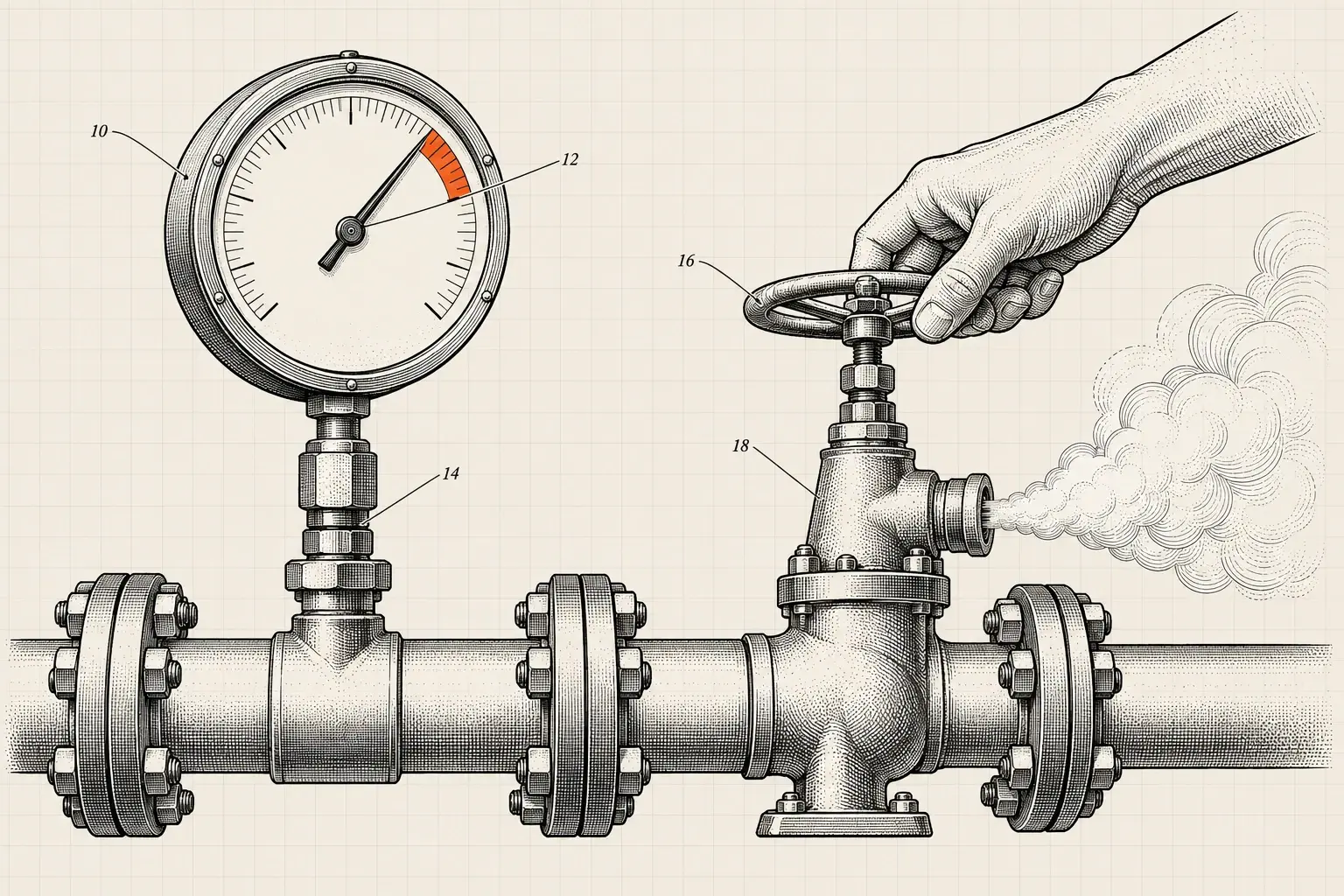
An early no is a release valve: it lets the pressure out while that is still cheap.
We earn nothing more if you file, so we can tell you when to stop.
Keep reading
Related pages
§Next step
Want a plain answer before you spend?
Describe your idea in a sentence or two, keeping confidential details until we sign an NDA. You’ll get our written disclosures and a fixed-fee quote within one business day of a free call.