§Engagement profile · Illustrative composite
Patent portfolio pruning before the next fee window
An illustrative composite: a mid-size medical-device maker facing a heavy renewal year. We ranked every family as a keep, sell, license, or lapse candidate, and several families sold before they would have lapsed.
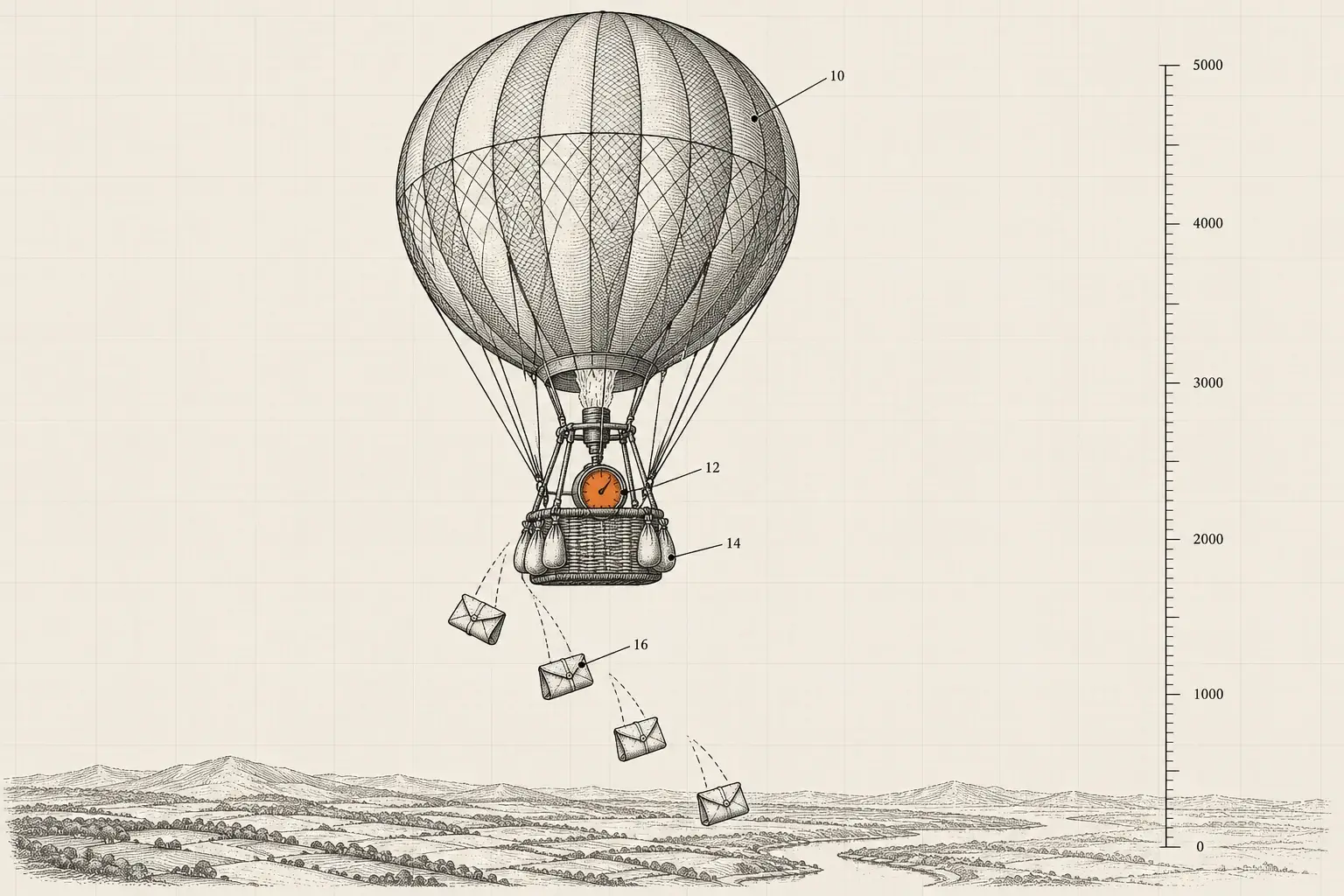
Illustrative composite. This profile is drawn from patterns across typical engagements. Names, figures and details are changed, and it does not depict any real client, person or institution.
- Segment
- Mid-size medical-device maker, infusion and vascular-access products
- Services used
- Portfolio Pruning Analytics, Sell Your Patent, Hoard Ledger
- Duration
- 3 weeks of pruning analysis, sale-readiness in 4 weeks, then 7 months of marketing
- Composite note
- Illustrative composite drawn from typical engagements. Details are changed, and no real client is depicted.
§ 01Context
The situation
This patent portfolio pruning profile is an illustrative composite, drawn from typical engagements with details changed. No real client is depicted.
A medical-device maker with about 1,400 employees held 212 US patents and roughly 400 foreign counterparts, built over two decades of infusion pumps, IV sets, and vascular-access devices. Two pump platforms had been retired. A catheter line had been sold, but some of its patents had stayed behind.
Over the next 24 months, 47 US patents would reach a maintenance-fee deadline. As a large entity, the company pays the USPTO $2,150 at 3.5 years, $4,040 at 7.5 years, and $8,280 at 11.5 years per patent, under the fee schedule effective January 19, 2025. Miss a due date and a 6-month grace period follows with a $540 surcharge; after that, the patent expires. Foreign annuities added more.
The two-person IP team didn’t want to cut blind, and sorting vital patents from obsolete ones before each window closed was more work than it had time for.
§ 02Context
What we did
We loaded the portfolio into Hoard Ledger, with the open, due, and close dates of every fee window. Then our analysts answered four questions for every family:
- Is it used? Claims compared with current and planned products, alongside the product teams.
- Does anyone else care? Forward citations by other companies, and similar features on the market.
- What is left? Remaining term, set against the next fee.
- Who might pay for it? A first look at likely buyers and licensees.
The fee arithmetic made the trade-offs concrete. At 11.5 years, $8,280 buys the rest of a patent’s term, often 5–8 years depending on how long examination took. For a patent on the current pump’s occlusion-detection method, that is cheap insurance. For one on a retired platform’s tubing clamp, uncited for 6 years, it buys nothing. In between sit the interesting cases: patents the company no longer needs but someone else might.
We ranked every family as a keep, sell, license, or lapse candidate, with a one-line reason and a decision date. The company’s IP counsel and product leaders made every call.
Selling before the lapse. Nine families landed in the sell column, from the retired pumps, the catheter line, and a replaced pressure-sensing approach. For these we ran Sell Your Patent: evidence-of-use research (technical facts only), a commercial assessment, and a buyer universe. Success-fee terms were in writing before marketing began.
Timing drove the hardest choices: three of the nine had a fee due mid-campaign. The company paid $4,040 on two to keep them alive and saleable, and let the third go rather than spend $8,280 on a long shot.
§ 03By the numbers
Illustrative composite figures
Composites, except the USPTO large-entity fees used to compute them.
US patents with a fee due in the next 24 months
Source: Composite figure
Those fees at large-entity rates, before pruning
Source: Composite figure
Patents deliberately allowed to lapse
Source: Composite figure
Families offered for sale that sold before lapse
Source: Composite figure
US fees avoided through lapses and sales, about 42%
Source: Composite figure
§ 04Context
What changed
Six of the nine sold within 7 months, to two infusion-device makers and the company that had bought the catheter line. The company’s counsel negotiated and documented each sale, and each included a license-back so the company could keep servicing its retired pumps. The other three drew no acceptable offer.
On fees, the company chose to let 11 US patents lapse: two at 3.5 years, four at 7.5, and five at 11.5. That left $61,860 unpaid. Three more patents sold before their 11.5-year fee fell due, so the buyers took on another $24,840. Foreign annuities fell too.
The biggest change was in decision-making. Fee deadlines used to arrive as invoices; now each arrives as a question with the evidence attached. The company kept its Ledger workspace and reviews each quarter the windows due over the next 6 months. Our maintenance-fee calculator shows the same windows for any single patent.
Dropping the right ballast is how a portfolio gains altitude.
Every fee window is a decision point. The expensive decision is the one made by default.
Keep reading
Related pages
§Next step
Heavy renewal year ahead?
Tell us how many families you hold and when the next windows fall. We’ll quote a pruning review in writing within one business day of a free call.